
23: 04: 2026
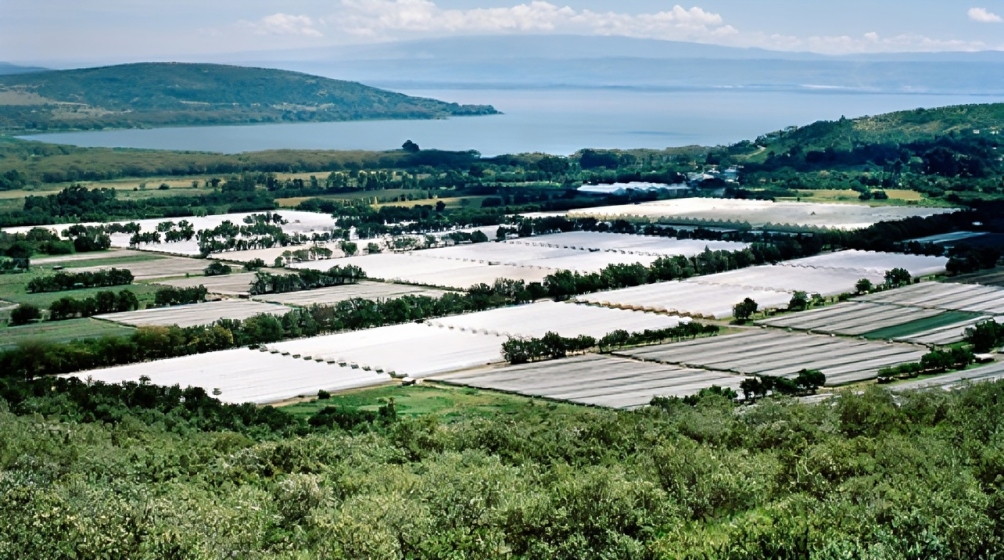
The rules of the global flower trade are being rewritten, and for Kenyan growers, standing still is no longer an option. Markets are becoming more demanding, consumers more selective, and buyers more powerful in shaping how flowers are produced, packaged, and delivered. Competitiveness today is no longer defined by yield alone. It is defined by how well growers understand markets, respond to shifting demand, and align with rising expectations on sustainability and transparency.
Set against this backdrop, the Floriculture Sustainability Initiative’s FSI 2025 report offers a timely lens into a sector in transition. It highlights how evolving market dynamics, sustainability expectations, and changing consumer behaviour are redefining global competitiveness and setting new benchmarks for production and trade. For Kenyan growers, these insights provide both a reality check and a practical roadmap for navigating an increasingly complex but opportunity rich global market.
Global Market Landscape and Kenya’s Position
The global floriculture industry is undergoing a period of rapid transformation, shaped by evolving consumer preferences, sustainability demands, and shifting trade dynamics. For Kenyan growers who remain among the top exporters globally, understanding these market trends is no longer optional. It is essential for maintaining competitiveness and securing future growth.
Globally, floriculture exports reached approximately 26.1 billion dollars in 2024, with cut flowers accounting for 10.8 billion dollars of that value. Kenya continues to hold a strong position among the leading exporters, alongside the Netherlands, Colombia, and Ecuador. Key markets such as the United States, Germany, the Netherlands, and the United Kingdom dominate import demand, collectively shaping pricing, standards, and product preferences. For Kenyan growers, this means production decisions are increasingly influenced not just by agronomy, but by market intelligence and compliance with international expectations.
Changing Consumer Behaviour and Demand Patterns
One of the most significant shifts in recent years has been the evolution of consumer behavior. The COVID 19 pandemic disrupted traditional supply chains but also accelerated new demand patterns. Flowers became a symbol of comfort, home beautification, and emotional connection, leading to a swift market recovery. At the same time, digital sales channels expanded rapidly, changing how flowers are marketed and distributed. Kenyan exporters have had to adapt quickly, aligning with e commerce platforms, direct retail programs, and more responsive logistics systems.
Growth Trends and Product Positioning
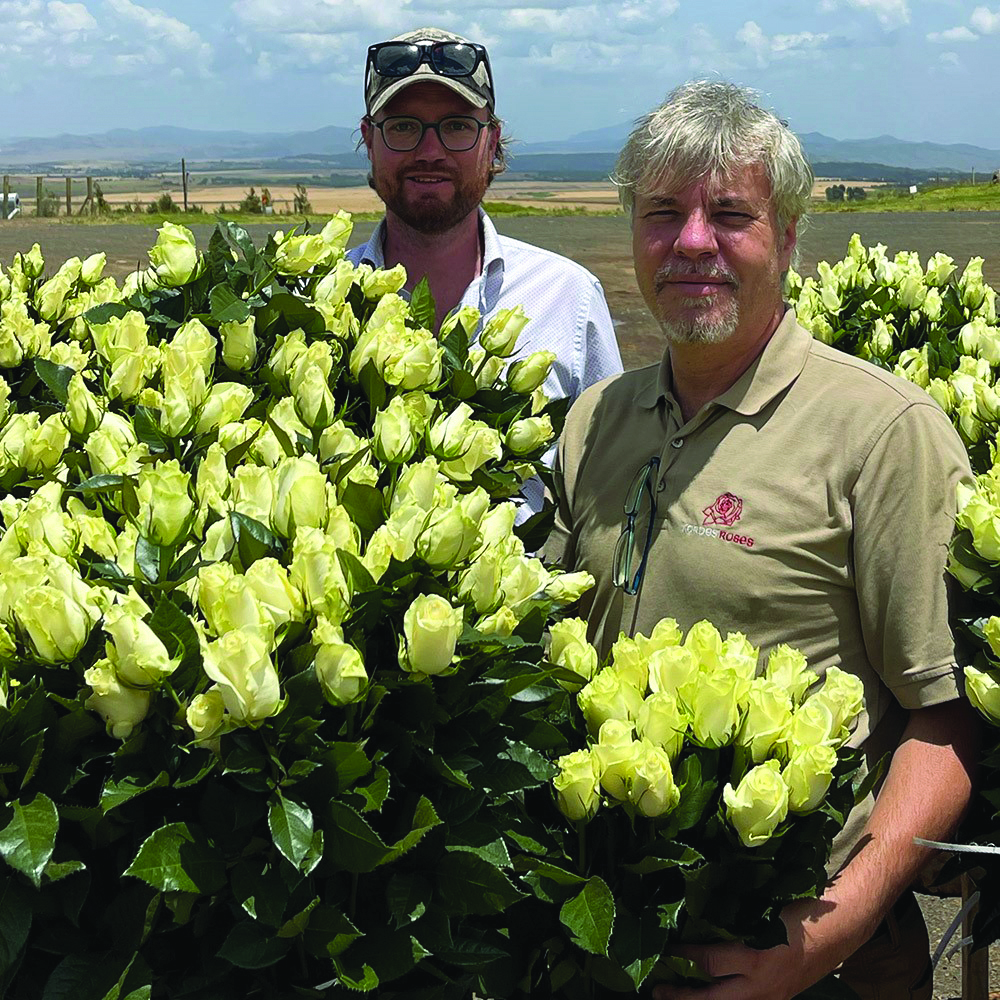
Looking ahead, market growth is expected to continue at an annual rate of 5 to 7 percent. However, this growth is not purely volume driven. In many markets, volumes have stabilized while value has increased, reflecting consumer sensitivity to pricing and a shift toward higher quality or value added products. Mid tier and value segments, particularly mixed bouquets and emotionally driven products like roses, are gaining traction.
For Kenya, which has traditionally excelled in rose production, this presents both an opportunity and a clear signal to diversify into bouquets, summer flowers, and niche varieties that respond to changing consumer preferences.
Sustainability as a Market Requirement
Sustainability has emerged as perhaps the most defining factor shaping the future of floriculture markets. What was once a competitive advantage is now a market requirement. Buyers, especially in Europe, are demanding transparency in production practices, including water use, pesticide application, carbon footprint, and labour conditions. Certification and compliance with recognized standards are increasingly tied to market access, not just reputation.
For Kenyan growers, this trend is already visible. Many farms are investing in water efficient irrigation, renewable energy, and integrated pest management systems. Initiatives such as rainwater harvesting and climate smart agriculture are becoming standard practice, not only to meet buyer requirements but also to build resilience against climate variability. At the same time, the adoption of sustainability frameworks is enabling growers to measure and communicate their environmental footprint more effectively, strengthening their position in global supply chains.
Rising Costs and the Push for Efficiency
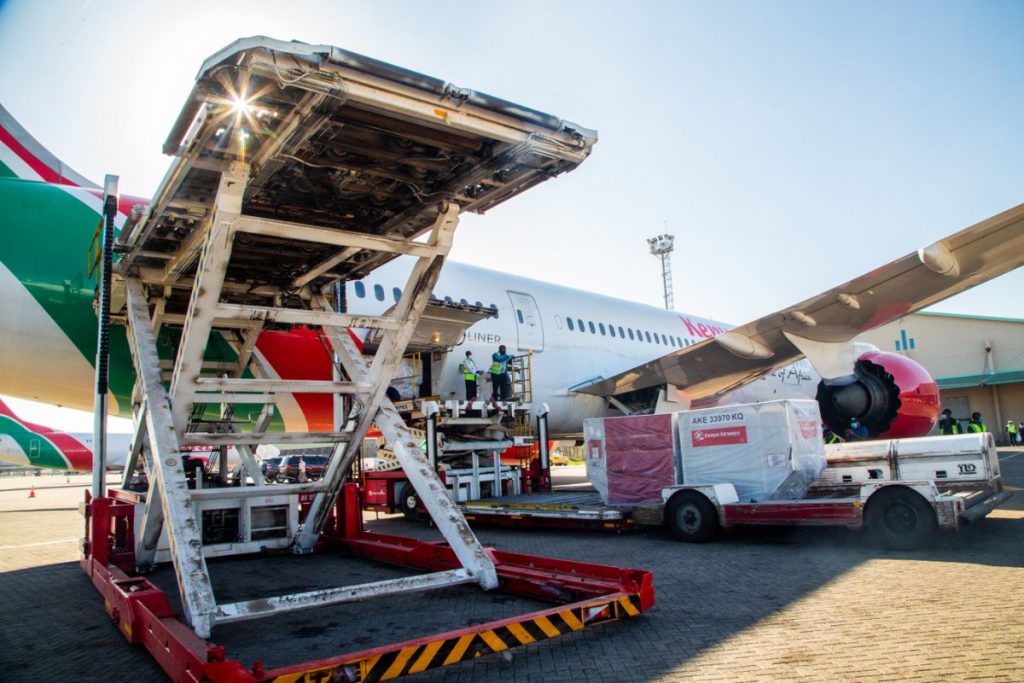
Another key trend shaping the market is the rising cost of production and increasing consolidation at the retail level. Input costs, ranging from fertilizers to freight, have risen significantly, putting pressure on margins. At the same time, large retailers are consolidating their supply chains, favouring fewer, more reliable, and compliant suppliers.
This dynamic is pushing Kenyan growers toward greater efficiency, scale, and technological adoption. Automation, digitalization, and data driven decision making are gaining momentum across the sector. From greenhouse climate control systems to digital traceability tools, technology is helping growers optimize production, reduce waste, and meet increasingly stringent buyer requirements.
Evolving Trade Patterns and Market Diversification
Trade patterns are also evolving. While traditional markets in Europe remain dominant, there is growing interest in diversifying into emerging markets in Asia and the Middle East. At the same time, local production in some importing countries is increasing, driven by sustainability concerns and the desire to reduce carbon footprints.
This creates both competition and opportunity for Kenyan exporters, who must differentiate themselves through quality, reliability, and strong sustainability credentials.
Social Sustainability and Workforce Expectations
Social sustainability is another increasingly important dimension. The floriculture sector is a major employer in Kenya, supporting over 100,000 direct jobs and many more indirectly. Buyers are paying closer attention to labour practices, gender equality, and worker welfare. Farms that demonstrate strong social responsibility are more likely to secure long term partnerships with international retailers and buyers.
Shaping a Future Proof Floriculture Sector
Ultimately, the future of floriculture will be shaped by the sector’s ability to integrate these trends into a coherent strategy. For Kenyan growers, this means going beyond production to embrace a market oriented approach that combines quality, innovation, sustainability, and efficiency.
The direction is clear. Growers who invest in sustainable practices, adopt new technologies, diversify their product offerings, and strengthen market linkages will be best positioned to thrive. As global expectations continue to rise, Kenya’s floriculture industry has an opportunity not just to compete, but to lead, setting the standard for a resilient, responsible, and future ready sector.