
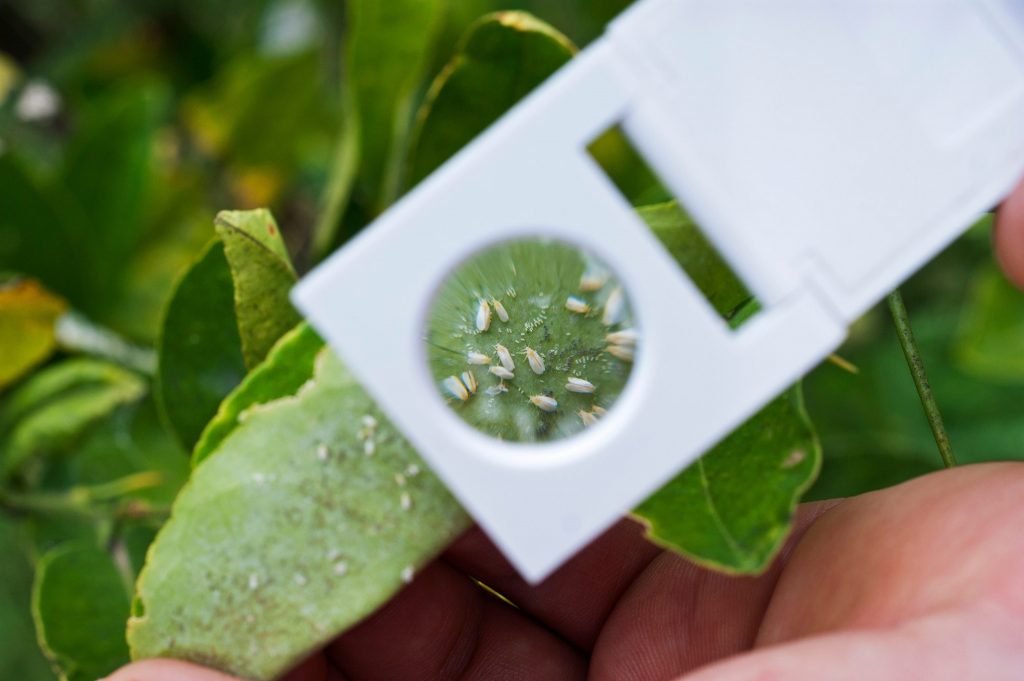
Monitoring is the thread that ties every element of an Integrated Pest Management (IPM) programme together. For Kenyan flower and horticultural growers operating in increasingly competitive and cost-sensitive markets, it is the difference between reacting to problems and staying firmly in control.
Biological controls deliver the best results when they are introduced early, precisely and with clear intent. That makes early detection critical—before pest populations establish and spread. Without a structured monitoring approach, interventions tend to come too late, often after economic damage has already occurred.
Regular scouting allows growers to detect pests at an early stage, when populations are still manageable. This improves the timing of interventions, reduces unnecessary chemical applications, lowers labour costs, and ultimately protects margins. In a sector where quality and consistency are paramount, these gains translate directly into stronger market performance.
Looking Beyond Presence to Patterns
Simply spotting a pest is not enough. Effective IPM relies on understanding how pest populations develop over time—how quickly numbers are rising, where pressure is building within the greenhouse or field, and which crop stages are most vulnerable. This deeper insight allows growers to anticipate problems rather than chase them.
Reliable and consistent data is essential. When monitoring is done systematically, it produces comparable information that supports objective, evidence-based decisions instead of guesswork.
Turning Data into Action
A strong monitoring programme is built on practical, well-adapted methods suited to the crop and production system. Visual scouting remains the foundation, supported by traps placed strategically across the production area to track pest presence and movement.
Sticky traps, used at appropriate densities, help monitor a wide range of flying pests, while pheromone-based systems allow for targeted detection of specific species. Together, these tools provide a clearer picture of pest pressure and population trends across the farm.
Advances in digital technology are also beginning to reshape monitoring. Automated systems can now capture images of traps and analyse pest populations, reducing the need for manual counting and freeing up skilled labour for higher-value tasks. When combined with digital platforms that centralise scouting data, growers and advisors can access real-time insights, track trends, and respond more quickly—even remotely.
From Observation to Impact
The true value of monitoring lies in identifying trends, not just isolated observations. Structured data enables growers to act based on thresholds rather than assumptions, ensuring interventions are timely, targeted and cost-effective.
Monitoring should not be seen as an added task, but as the foundation of sustainable crop protection. It informs every subsequent decision—from when to intervene, to how and where to introduce beneficial insects as part of a strategic control programme.
For Kenyan growers facing rising input costs, shifting pest pressures, and demanding export standards, effective monitoring is a practical tool for staying competitive. It leads to better decisions, healthier crops, improved quality, and ultimately stronger returns.