
2nd April 2026
By Floriculture Magazine Feature Desk Powdery mildew remains one of the most persistent and costly diseases affecting gerbera production worldwide—and Kenyan growers are no exception. Known for compromising both flower quality and marketability, the disease has long forced producers to rely heavily on

fungicide programmes, increasing production costs and tightening compliance requirements in export markets.
Now, new research from the American Floral Endowment (AFE) is opening the door to a transformative solution: gene editing through CRISPR technology.
From Chemicals to Precision Breeding
Traditionally, managing powdery mildew in gerbera has relied on two approaches—chemical control and conventional breeding. While fungicides offer short-term relief, they raise concerns around residue limits, resistance development, and sustainability. On the other hand, breeding resistant varieties is a slow, multi-year process and often fails to address currently popular commercial cultivars.
The AFE-funded study (Report #313), conducted at the University of Georgia, demonstrates that CRISPR gene editing could bridge this gap—delivering targeted resistance faster, more efficiently, and potentially without the regulatory burden associated with transgenic (GMO) crops.
How CRISPR Works in Gerbera
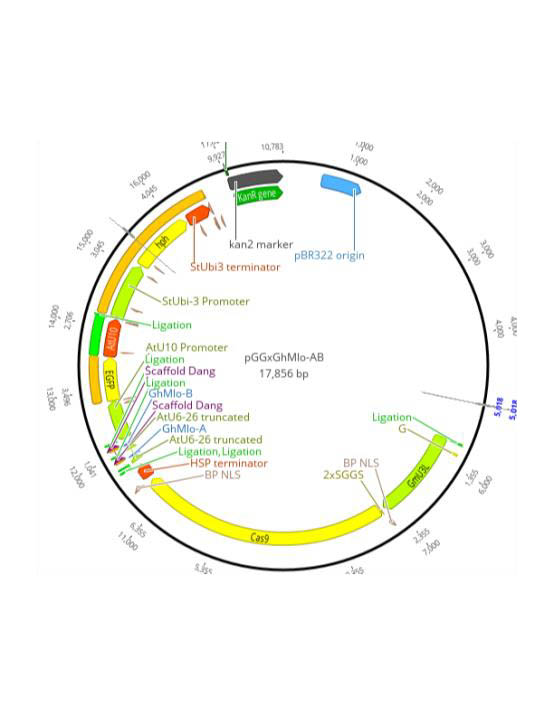
CRISPR technology acts like molecular scissors, allowing scientists to precisely “switch off” genes that make plants vulnerable to disease. In this study, researchers focused on a group of genes known as MLO, which are known to facilitate powdery mildew infection in many crops.
By inactivating these susceptibility genes, plants can effectively become resistant.
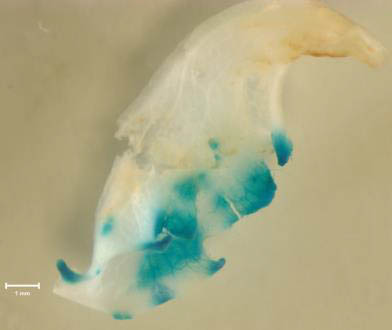
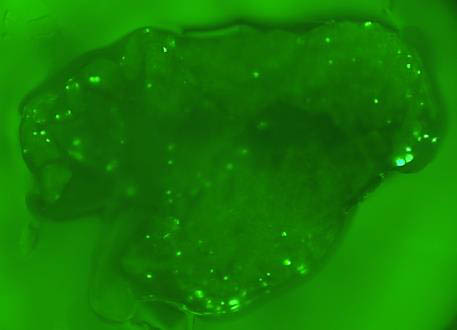
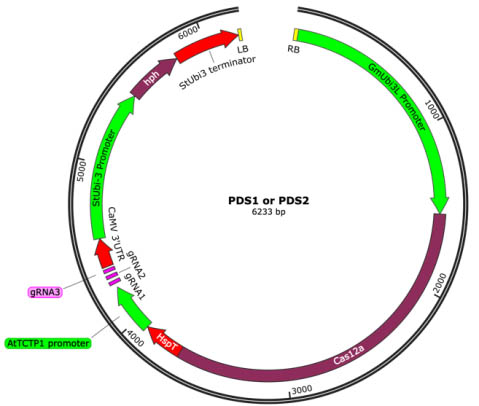
Before targeting disease resistance directly, the researchers first validated the CRISPR system in gerbera using a “marker gene” known as PDS. When successfully edited, this gene produces a visible albino (white) plant—confirming that gene editing has worked.
The results were clear: gene-edited gerbera plants were successfully produced, marking a first for the crop.
Progress—and Practical Challenges
The research also highlights a critical bottleneck that will resonate with commercial propagators: plant regeneration.
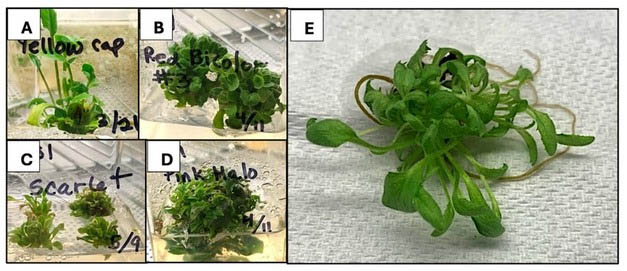
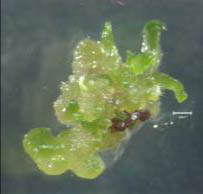
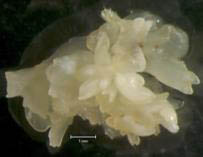
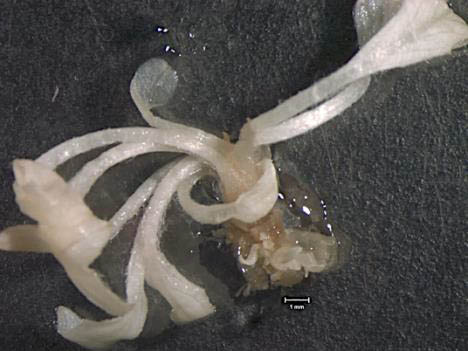
Gerbera is notoriously slow and difficult to regenerate under tissue culture conditions. In some cases, it took up to a year to recover edited plants from leaf explants. This presents a significant hurdle for scaling the technology commercially.
However, the study points to emerging solutions, including:
• Use of morphogenic regulators to speed up plant regeneration
• Advanced delivery systems such as RNA or nanoparticle-based CRISPR methods
• Availability of a newly sequenced gerbera genome, which will accelerate future research
Encouragingly, work is already underway to produce gerbera lines with edited MLO genes.
These plants will be tested for actual powdery mildew resistance once regeneration is complete.
What This Means for Kenyan Growers
For Kenya’s floriculture sector—where efficiency, compliance, and quality define competitiveness—this research could be a game changer.
If successfully commercialised, CRISPR-edited gerbera varieties could:
- Reduce reliance on fungicides, lowering input costs and chemical load
- Improve export compliance, particularly in strict EU markets
- Enhance flower quality and shelf life, boosting market value
Shorten breeding cycles, allowing faster response to emerging diseases
Equally important is the regulatory angle. Unlike traditional GMOs, certain gene-edited crops may face less stringent regulation in some markets, depending on how the technology is applied—potentially easing the path to adoption.
A Glimpse into the Future
While still in the research phase, this study represents a significant milestone: the first successful application of CRISPR in gerbera.
It signals a broader shift in ornamental horticulture—from reactive crop protection to precision genetic resilience.
For Kenya, a global leader in cut flower exports, staying ahead of such innovations will be key. As sustainability pressures mount and market standards tighten, technologies like CRISPR may soon move from the lab to the greenhouse—reshaping how flowers are bred, grown, and protected.
The question is no longer whether gene editing will influence floriculture—but how quickly the industry will adapt to harness its full potential.
For more information:
American Floral Endowment
Tel.: +1 (703) 838-5211
afe@endowment.org
www.endowment.org
Publication date: Mon 23 Mar 2026