
March 5, 2026
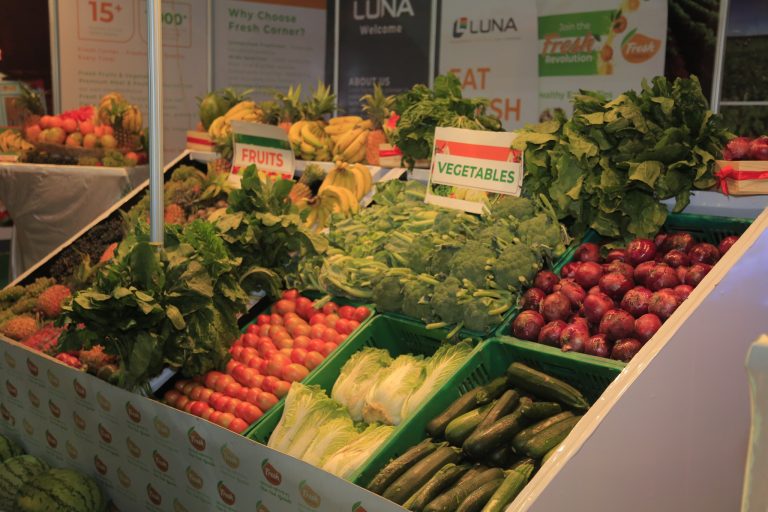
Ethiopia generated $288.48 million from the export of more than 160,000 tonnes of horticultural products in the first seven months of the current Ethiopian fiscal year, according to the Ministry of Agriculture.
The performance was disclosed following a consultative review meeting between public institutions and local and international investors active in the country’s horticulture industry.
Minister of Agriculture Addisu Arega said Ethiopia exported 160,317.79 tonnes of flowers, fruits and vegetables, achieving 70.9 percent of the planned export target for the reporting period, as reported by Ethiopian News Agency.
Horticulture, alongside coffee, remains one of Ethiopia’s priority export sectors and a key source of foreign exchange. The minister reaffirmed the government’s commitment to addressing operational bottlenecks affecting investors, including infrastructure gaps, logistics constraints and land supply management challenges. He also urged investors to fully utilise allocated land to maximise productivity.
Industry stakeholders used the review session to highlight persistent structural issues, calling for faster interventions to sustain export growth momentum.
Tewodros Zewdie, Executive Director of the Ethiopian Horticulture Producer Exporters Association, said the association is prioritising policy advocacy, capacity building, market linkages and the promotion of social and environmental sustainability.
“Our priority is to enhance the competitiveness of members and foster sustainable growth in the horticulture sector through innovative and practical services,” he noted.
Security and Investment Climate
Despite the encouraging export performance, Ethiopia’s horticulture industry continues to navigate security-related disruptions in certain regions.
In March 2025, Addis Standard reported that Selecta One, a Germany-based breeder operating in the conflict-affected Amhara region, relocated its operations to Kenya and Uganda. The company cited an unstable political and security environment and prolonged logistical challenges.
Selecta One closed its site in Kunzila, North Achefer district of West Gojjam Zone, resulting in the loss of more than 1,000 jobs. The firm stated that logistical disruptions over the previous two years could not be permanently resolved and that it could not guarantee employee safety under prevailing conditions.
Outlook for Regional Floriculture
For regional floriculture stakeholders, Ethiopia’s export performance signals both resilience and vulnerability. While the country continues to generate significant foreign exchange from flowers and other horticultural products, sustained growth will depend on improved logistics, stable operating environments and investor confidence.
As East Africa remains a global floriculture hub, policy stability, infrastructure investment and coordinated public–private engagement will be critical in shaping the region’s competitiveness in international flower markets.