
February 26, 2026
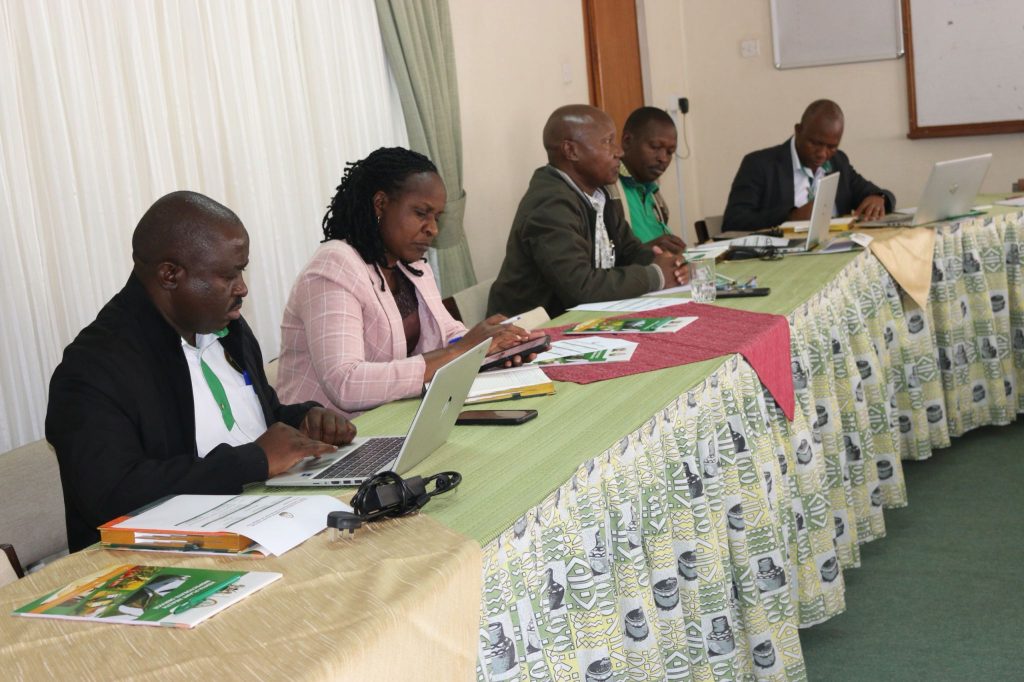
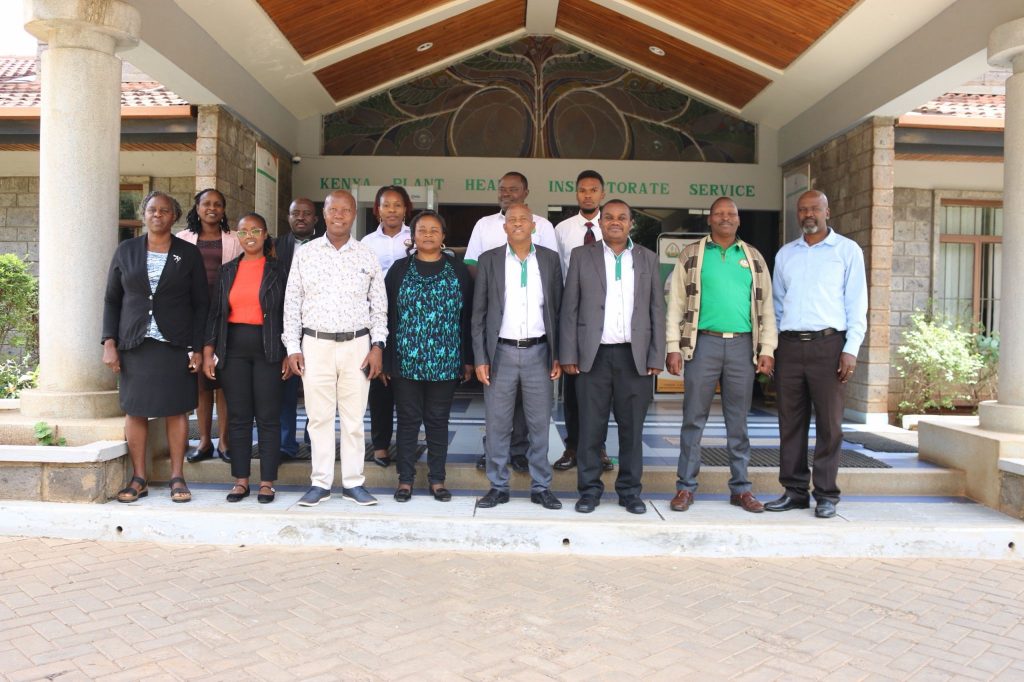
Last week, Kenya’s horticultural regulatory agencies convened at the headquarters of the Kenya Plant Health Inspectorate Service (KEPHIS) for a meeting of the Horticulture Competent Authority Structure (HCAS). The session brought together key public institutions responsible for safeguarding plant health and maintaining export compliance, including the Pest Control Products Board (PCPB), the Kenya Export Promotion and Branding Agency (KEPROBA), the Ministry of Agriculture and Livestock Development, and the Kenya Agricultural and Livestock Research Organization (KALRO).
The HCAS framework serves as a coordination platform to align regulatory oversight, research, export promotion, and policy direction within Kenya’s horticultural sector. The February meeting focused on reviewing Kenya’s plant health status and assessing compliance with the phytosanitary and food safety requirements of key export markets, including the European Union, the United States, the United Kingdom, Russia, and Australia.
Maintaining access to these markets requires strict adherence to international standards governing pest control, traceability, and pesticide residue limits. Participants reviewed recent compliance trends and market feedback, with particular attention to areas where exporters may be exposed to heightened scrutiny. Discussions emphasized the need for consistent implementation of phytosanitary measures at farm and packhouse level, accurate documentation, and strengthened oversight to minimize the risk of non-compliance.
A key agenda item was notifications concerning mango exports from Kenya to Oman. Such notifications typically arise from issues related to pest detections or other phytosanitary concerns identified upon arrival in the importing country. The meeting provided a forum for the agencies to review the circumstances surrounding the notifications and agree on corrective actions. These include reinforcing field-level pest management practices, improving inspection protocols prior to export certification, and enhancing monitoring to ensure consignments meet the required standards before departure.
The meeting also included an update on European Union food safety matters in preparation for the Directorate-General for Health and Food Safety audit scheduled for June 2026. The audit by the Directorate-General for Health and Food Safety (DG SANTE) will assess Kenya’s official control systems related to food safety and plant health, particularly in relation to exports destined for the EU market.
Preparations for the audit are centered on demonstrating the effectiveness of Kenya’s regulatory framework, including inspection systems, laboratory testing capacity, pesticide residue monitoring programs, and traceability mechanisms. The institutions represented at the HCAS meeting reaffirmed their respective roles in ensuring that systems are functioning as required and that any identified gaps are addressed ahead of the audit.
PCPB’s oversight of pesticide registration and residue compliance remains critical to meeting international maximum residue limits. KEPHIS continues to play the lead role in phytosanitary certification and pest surveillance, while KALRO contributes research-based insights on pest management and emerging risks. KEPROBA supports market access through trade facilitation and engagement with importing countries, and the Ministry of Agriculture provides overall policy guidance and coordination.
The deliberations concluded with agreement on the need to sustain Kenya’s access to global markets through proactive management of non-compliance risks. Strengthening inspections, enhancing stakeholder awareness, and improving inter-agency coordination were highlighted as essential steps in ensuring safe and compliant trade.