
February 26, 2026
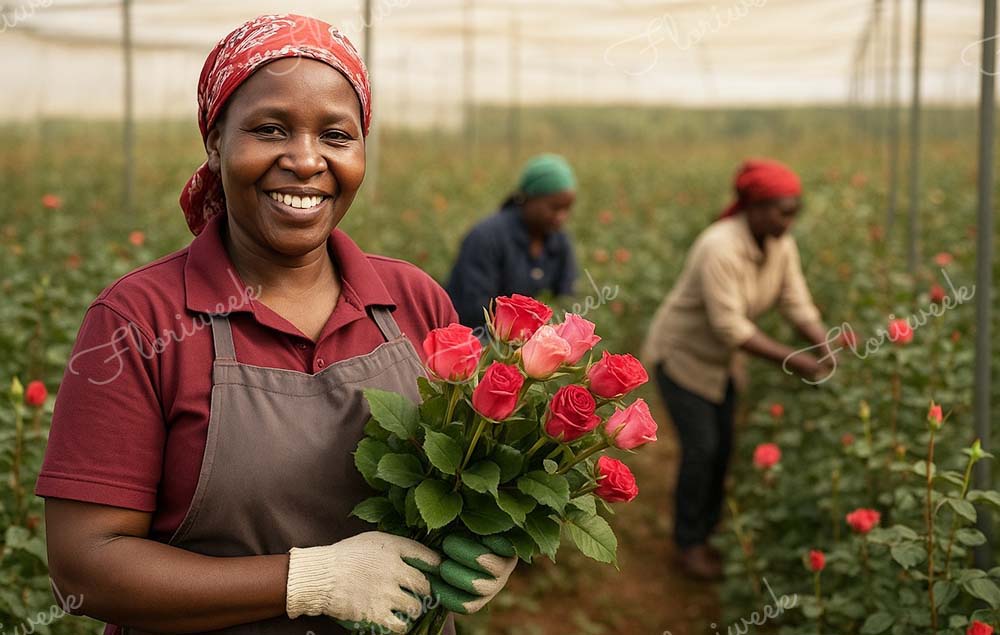
Kenya’s floriculture sector stands as a global leader, supplying over 40% of the European Union’s cut flowers and generating billions of shillings in annual revenue. Central to this success is a workforce predominantly composed of women, who constitute approximately 60% to 70% of employees across flower farms. Their contributions extend beyond operational efficiency, shaping both the economic and social landscape of communities throughout Kenya.
Women occupy critical roles throughout the floriculture value chain, encompassing planting, cultivation, post-harvest handling, and quality assurance. Their meticulous attention to detail ensures that flowers meet the stringent standards demanded in international markets, reinforcing Kenya’s reputation as a reliable exporter of premium blooms.
Ensuring Quality Through Post-Harvest Expertise
The export of high-quality flowers depends heavily on effective post-harvest management. Women are primarily responsible for sorting, grading, and packing flowers; processes that directly affect vase life, freshness, and overall product quality. Research shows that careful handling during these stages can extend vase life by up to 30%, reducing wastage and guaranteeing that international buyers receive market-ready flowers.
Economic Empowerment Beyond the Farm
Employment in floriculture provides women with financial independence, enabling them to support households, invest in education, and stimulate local economic growth. Studies indicate that women reinvest up to 90% of their income into their families, compared with 30–40% for men. The economic benefits of women’s participation in the flower industry include:
- Supporting education: Facilitating access to quality schooling and creating future opportunities for children.
- Improving health and living standards: Many flower farms provide healthcare benefits, maternity leave, and childcare support, enhancing overall well-being.
- Financial autonomy: Control over household finances strengthens women’s decision-making power and independence.
Social Impact and Community Development
The influence of women in floriculture extends beyond individual households, shaping broader community development. Farms are increasingly implementing programmes that empower female workers and promote social welfare, including:
- Leadership and skills development: Offering training and career progression opportunities within the sector.
- Gender equality and fair labour practices: Enforcing safe working conditions, equitable pay, and inclusive workplace policies.
- Community investment: Supporting initiatives such as schools, healthcare facilities, and local infrastructure improvements.

Advancing Industry Standards Through Gender Inclusion
Kenya’s floriculture sector demonstrates that empowering women enhances both productivity and societal outcomes. Farms that prioritise fair wages, professional growth, and safe work environments for female employees strengthen sustainable supply chains and elevate product quality. For international buyers, sourcing from such farms aligns with ethical standards while reinforcing business resilience and reputation.
The ongoing success of Kenyan floriculture relies on the expertise and dedication of women. Their central role in quality control, post-harvest management, and community engagement highlights the strategic importance of gender inclusion in a sector that drives national economic growth.
Empowering women in floriculture represents both a social imperative and a business advantage, delivering tangible benefits from farm to market while fostering long-term community development.