
February 19, 2026
Valentine’s Day 2026 has drawn to a close, and early data from the global air cargo system confirm the scale and intensity of this year’s seasonal flower peak. For airlines, freight hubs, ground handlers and exporters, the mid-January to early-February window once again proved to be one of the most operationally demanding periods of the year.
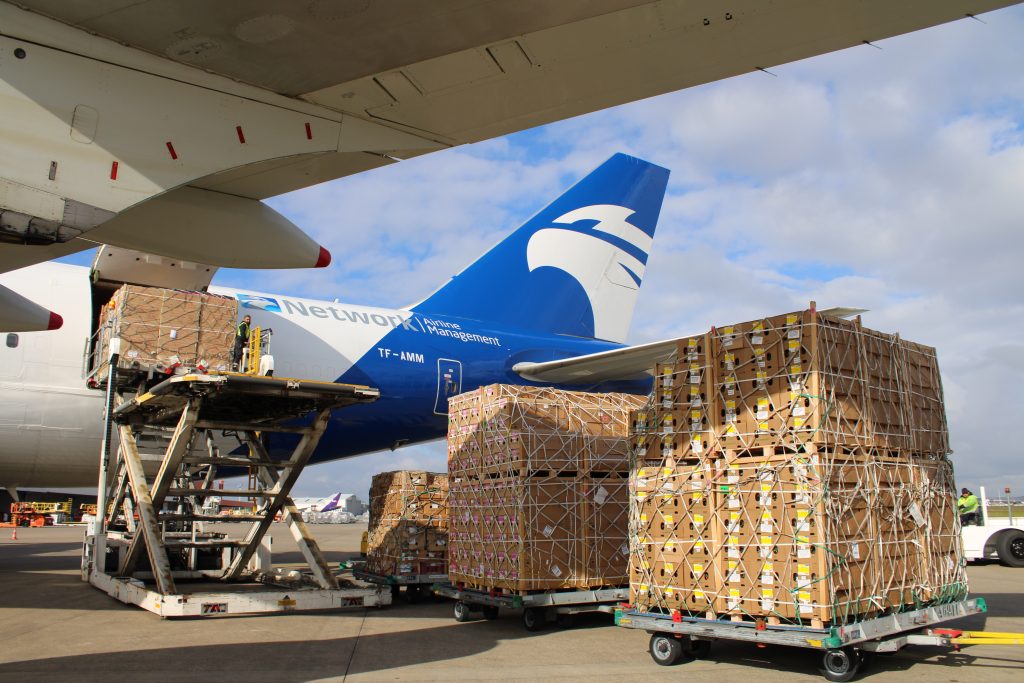
From Nairobi alone, thousands tonnes of flowers were exported during the two-week Valentine’s window, with red roses accounting for more than half of the volume. Network Airline Management (NAM) recorded its largest Valentine’s operation to date, transporting 3,100 tonnes of flowers from Nairobi to Liège. To meet demand, the carrier expanded from eight scheduled weekly flights to a total of 31 rotations, including 15 additional charters. Each aircraft carried over 100 tonnes of flowers, loaded across more than 1,300 pallets, underscoring Nairobi’s role as a critical gateway linking Kenyan growers to Europe’s main flower markets.
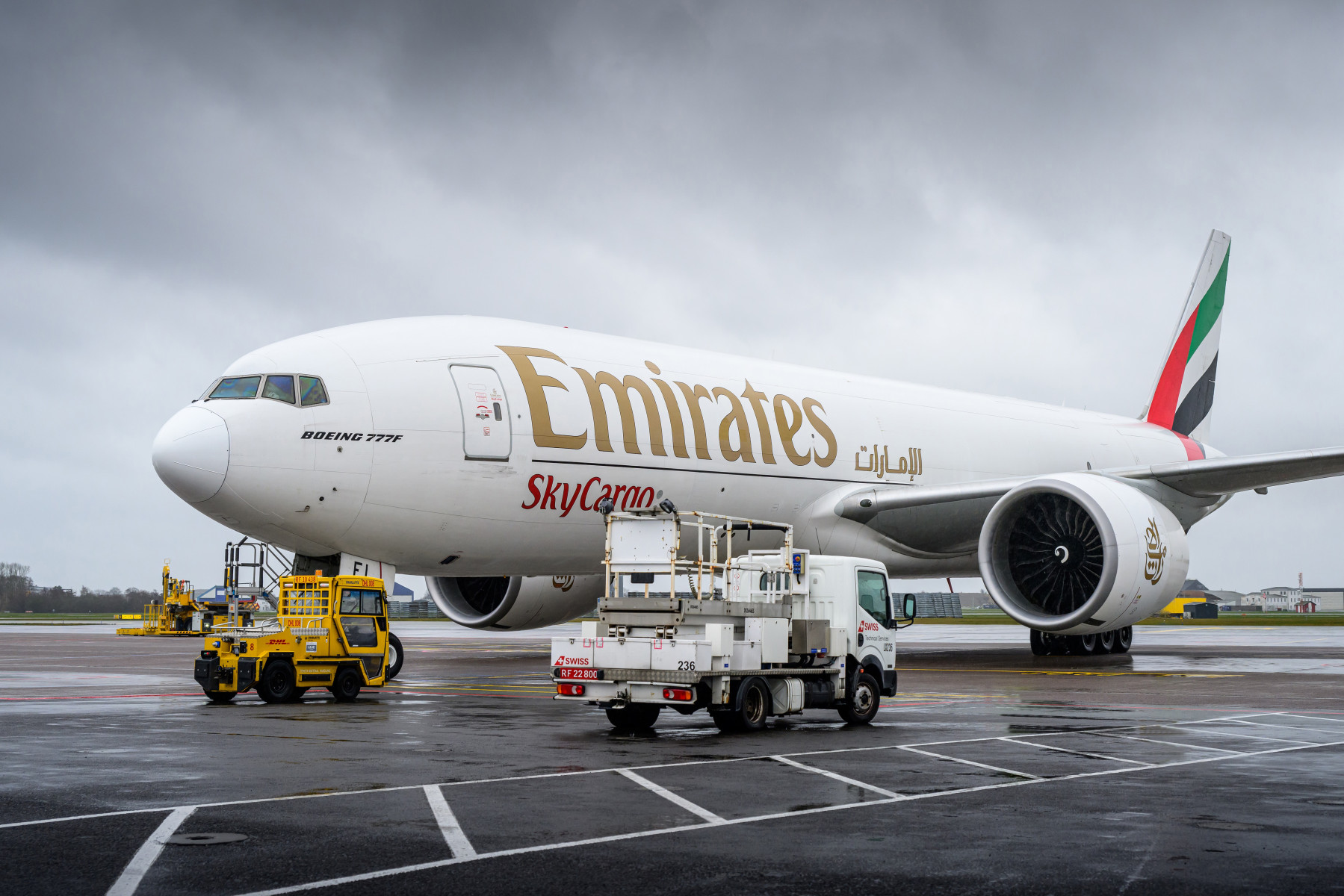
Other major carriers also scaled up significantly. Emirates SkyCargo operated three dedicated weekly freighter services from Nairobi to Amsterdam, offering a combined weekly capacity of 1,100 tonnes, and added three Boeing 777 freighter flights for the peak, each carrying more than 100 tonnes. Lufthansa Cargo moved approximately 900 tonnes on the Nairobi–Frankfurt route during the three-week period, equivalent to roughly 10 million roses.
Kenya Airways Cargo continued to play its role as a key home-market partner, maintaining daily exports and leveraging its expertise in perishables handling. Etihad Cargo operated four dedicated flower charters, transporting 510 tonnes from Nairobi to hubs in the Netherlands, Germany and the UK. Challenge Group also expanded its footprint, tripling capacity by upgrading select rotations to Boeing 747-400 freighters.
On the ground, handling and hub performance mirrored the surge. Swissport processed more than 250 million flowers at its Nairobi air cargo centre, supported by 35 additional freighter flights and a 50% rise in volumes over average levels. At Liège Airport, flower volumes increased by 9% year-on-year, with the CargoLand perishables platform supporting over 25 additional Valentine’s charters. Across the four-week campaign, CargoLand handled 13,850 tonnes of flowers, relying on 24-hour operations, robust cold-chain infrastructure and close coordination among airlines, handlers, forwarders, truckers and authorities.
The Valentine’s peak extended well beyond Europe. In the Middle East, dnata processed nearly 228 tonnes of flowers at the Dubai Flower Centre in just five days ahead of February 14, with one day exceeding 60 tonnes, more than double typical daily volumes. In South America, exporters in Colombia and Ecuador shipped tens of thousands of tonnes toward the United States, with Bogotá, Medellín and Quito feeding major gateways such as Miami.
In South American markets, where Colombia and Ecuador are among the world’s largest flower exporters, carriers moved tens of thousands of tonnes toward key consumer markets in the United States. Flights from Bogotá, Medellín and Quito were central to the movement of the seasonal crop, with Miami and other U.S. gateways absorbing a large share of the inbound volume.
For exporting regions in East Africa and Latin America, Valentine’s Day remains one of the highest-value moments of the year. The 2026 peak once again demonstrated that fresh flowers are among the most time-critical commodities in global trade, demanding reliable airlift, disciplined planning and flawless execution. As the industry turns its attention to Easter and Mother’s Day, the lessons from this tightly compressed seasonal surge will continue to shape capacity planning and operational readiness in the months ahead.