
February 19, 2026
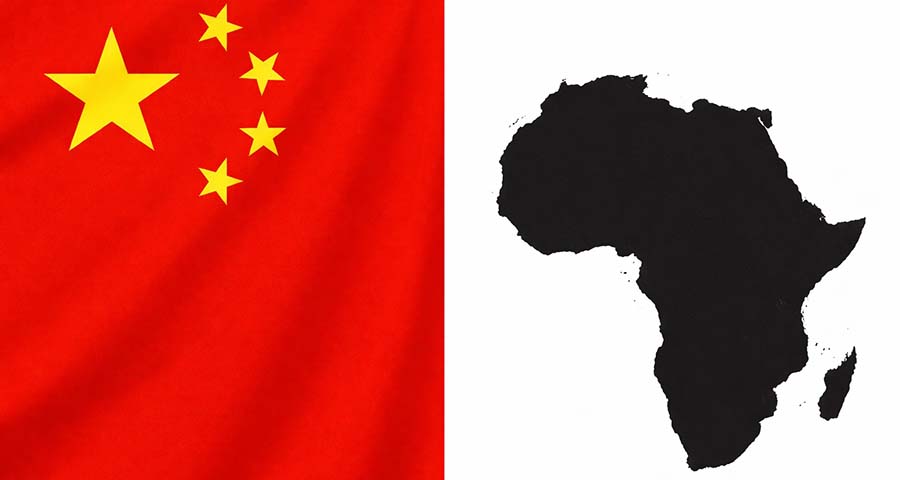
Starting May 1, China will slash tariffs on imports from nearly all African countries, a bold move set to transform trade across the continent and give Kenyan exporters a historic boost. The move, announced by President Xi Jinping, will extend zero‑tariff treatment to goods from 53 African nations with which China maintains diplomatic relations, with only Eswatini excluded due to its ties to Taiwan.
For years, China has been Africa’s largest trading partner, and this latest decision marks a significant deepening of that economic relationship. Previously, only 33 African states, mostly least‑developed countries, enjoyed duty‑free access to the Chinese market. Under the new framework, exports from countries including Kenya, South Africa, Nigeria, Egypt and Morocco will also enter China without customs charges.
The expanded zero‑tariff regime is expected to stimulate a broad range of exports from the continent. Agricultural products such as avocados, tea, coffee, and horticultural produce stand to benefit especially, but raw materials and manufactured goods are also included. Chinese official data from 2025 shows that duty‑free access had already helped African exports rise, with imports from least‑developed countries increasing more than 10 percent year‑on‑year.
For Kenya in particular, the timing aligns with ongoing efforts to deepen trade with Beijing. Nairobi and Beijing reached a preliminary ‘early harvest’ trade agreement in January 2026 that grants 98.2 percent of Kenyan exports duty‑free access to China, giving agricultural staples such as avocados and cut flowers a competitive advantage in Asia’s largest consumer market.
Kenya has struggled with a persistent trade imbalance with China, where imports of machinery, electronics and manufactured goods have long far exceeded the value of goods it sells back. According to government and independent trade data, the deficit widened as imports climbed sharply in recent years. The expanded duty‑free framework and bilateral agreements are seen as critical steps toward narrowing that gap and diversifying Kenya’s export destinations.
Trade analysts say that duty‑free access to China could have lasting ripple effects beyond immediate export gains. Greater access encourages investment in export‑oriented agriculture and processing sectors, potentially spurring employment and stimulating rural economies in producer regions. It may also encourage Kenyan firms to invest in better quality and compliance standards to meet Chinese market requirements.
However, some experts caution that tariff elimination alone is not a silver bullet. Logistics challenges, compliance costs, and competition from other African producers are hurdles that exporters must overcome to fully take advantage of the expanded market. Still, for many Kenyan exporters, the lifting of duties represents a once‑in‑a‑generation opportunity to deepen access to a vast and growing market.
At a continental level, China’s duty‑free policy is likely to strengthen economic ties with Africa at a time when global trade dynamics are shifting. As Western preferences, such as the African Growth and Opportunity Act (AGOA), with the United States face uncertainty, China’s offer of tariff‑free access could become an increasingly attractive alternative framework for African exporters seeking diversified markets.
Whether this expanded duty‑free regime will transform Africa’s role in global value chains remains to be seen, but for now it offers a tangible pathway for producers across the continent to scale their exports and deepen economic engagement with one of the world’s largest markets.
| FAQ |
|---|
| What is Kenya’s current flower market share in China? In 2024, China accounted for approximately 2% of Kenya’s total flower exports. While this is a small fraction compared to the 70% exported to Europe, demand for Kenyan blooms in China has been growing by about 25% annually. How has the new duty-free agreement changed the market? As of January 2026, Kenya and China reached a preliminary “Early Harvest” agreement granting 98.2% of Kenyan goods, including cut flowers and roses, duty-free access to the Chinese market. This eliminates the previous 4% tariff that made Kenyan flowers more expensive than duty-free competitors like Ethiopia. When does the full zero-tariff policy for all of Africa begin? China has committed to implementing a comprehensive zero-tariff treatment for exports from 53 African countries starting May 1, 2026. How long does it take for flowers to reach China? Logistical improvements have reduced transit times significantly. Fresh flowers can now reach Chinese markets in just 17 hours from Nairobi, down from three days in previous years. Which Kenyan flowers are most popular in China? Roses are the primary export, currently accounting for over 65% of Kenya’s floriculture market share. Other popular varieties include Hypericum, which is seeing increased demand for use in wedding bouquets. |